• Skip to primary navigation
  • Skip to main content
  • Skip to primary sidebar
  • Skip to footer

Precision Audio & Tint

Thomasville: (229) 233 5001Bainbridge: (229) 246 2111
  • Financing/Lease to Own
    • Easy Payments, No Credit Needed
    • $0 Down, 0% APR Financing
  • Our Work
  • Reviews
  • Facebook
  • Instagram
  • Request a Quote
  • About Us
    • Why Choose Us
    • Hours and Directions
    • Our Facilities
    • Virtual Tour Bainbridge Store
    • Virtual Tour Thomasville Store
    • Work for US
    • Gift Cards
    • Contact Us
  • Services
    • Car Audio
      • Backup Safety
      • Mobile Video
      • OEM Integration
      • Professional Installation
      • Smartphone Integration
      • Vehicle Navigation
    • Marine Audio
    • Motorcycle Audio
    • Remote Starters
    • Wheels & Tires
  • Window Tint
    • Film Types and Pricing
  • Customize Your Truck
    • Bed Covers
    • Floor Liners And Accessories
    • Grille Guards And Bumpers
    • Hitches
    • Leveling and Lift Kits
    • Jeep Parts And Accessories
    • Step Bars And Running Boards
    • Toolboxes
  • Brands
    • JL Audio
    • Kenwood
    • Pioneer
    • Fuel Wheels
    • Llumar Window Tint
    • Rockford Fosgate
    • Cam-Locker
    • Ranch Hand
    • Rough Country
    • WeatherTech
You are here: Home / ARTICLES / Why Do Some Car Stereo Upgrades Need Load Resistors?

Why Do Some Car Stereo Upgrades Need Load Resistors?

By BestCarAudio.com Leave a Comment

Load Resistors

If you’ve asked your local specialty mobile enhancement retailer about upgrading your car stereo in recent years, they may have told you that they will need to add load resistors. While seemingly new in concept, the purpose of these resistors is simple. They’re often needed to ensure that the factory-installed amplifier in your car, truck or SUV continues to function the way it was designed.

Modern Car Audio Systems and Class-D Amplifiers

Most modern car audio amplifiers, especially those installed by a vehicle manufacturer on an assembly line, use Class-D output circuitry to provide a balance of sound quality and amplifier efficiency. Automakers are fanatical about reducing fuel consumption. If an electronics supplier can deliver an amplifier that draws less current, there’s less load on the alternator, and the engine has to do less work.

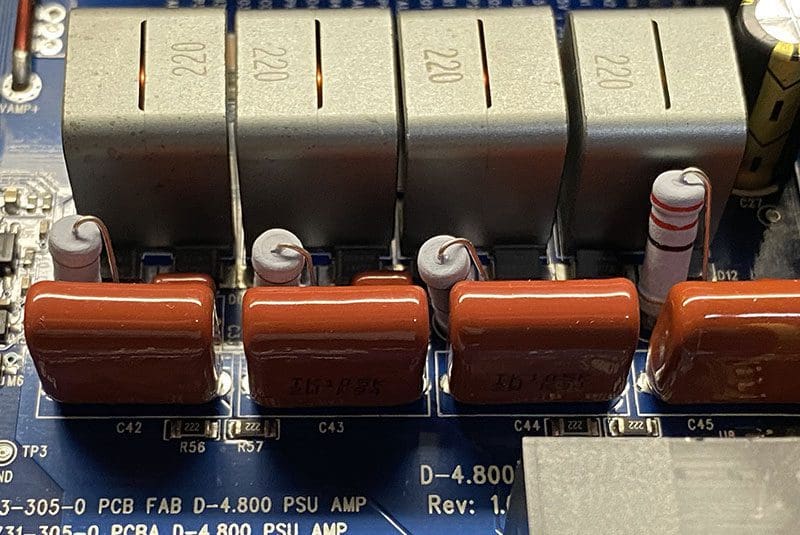
All Class-D amplifiers use a filter circuit on the switching devices’ output to remove high-frequency noise caused by the MOSFETs switching off and on. The output of the filter is the original audio signal. These filters typically comprise a capacitor and an inductor. The value of these components is based on the load (speaker) impedance the amplifier is designed to drive. If the values are incorrect, high-frequency audio information may be attenuated, or too much noise might be allowed into the output.
Load Resistors
Amplifiers like this AudioControl D-4.800 use high-quality capacitors and shielded inductors in their Class-D output filter networks.

Upgrading a Mobile Audio System

If you visit a local stereo shop and tell them you want to upgrade your audio system, they’ll likely suggest new speakers and an amplifier. In many cases, the shop will use the factory amplifier’s output to feed to the new amp. All good so far.
Load Resistors
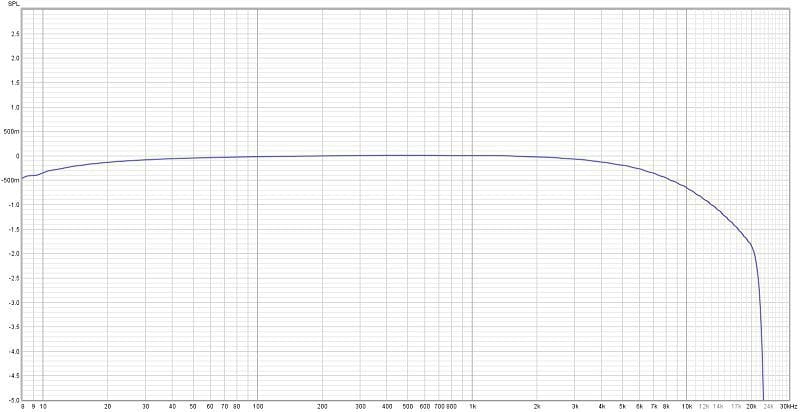
Frequency response of a good-quality Class-D amplifier when connected to a 4-ohm load.

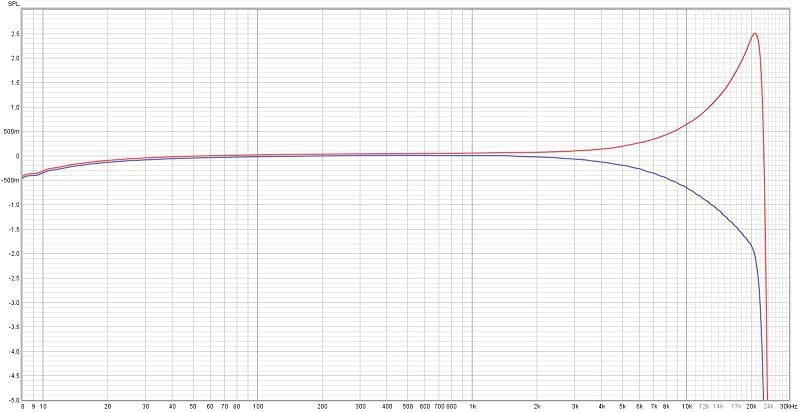
When the speaker is disconnected from the factory-installed Class-D amplifier, the filter circuit that was designed for a 2- or 4-ohm load isn’t going to function correctly. The signal presented to the capacitor and inductor will cause an oscillation, and a great deal of high-frequency noise may be added to the signal.
Load Resistors
Frequency response of the same amplifier when no load is connected to the output.

Another issue is that these oscillations in the output filter network may become quite significant in terms of their voltage. These voltages can damage components in the amplifier. Companies like Dodge, Chrysler and Ram have circuitry in their radios and amplifiers that prevents them from producing any output if their original speaker isn’t connected.
Load Resistors
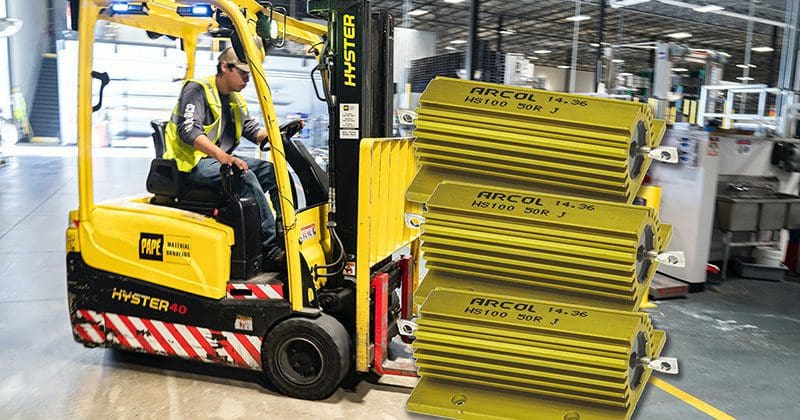
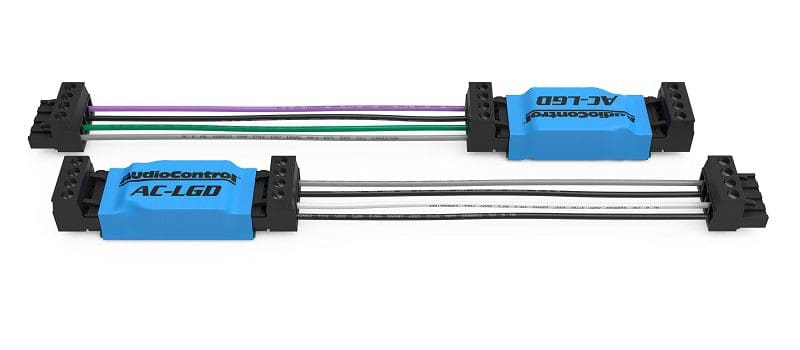
AudioControl offers several different load generating devices to allow installers to upgrade factory audio systems without running into noise issues.
Load Resistors
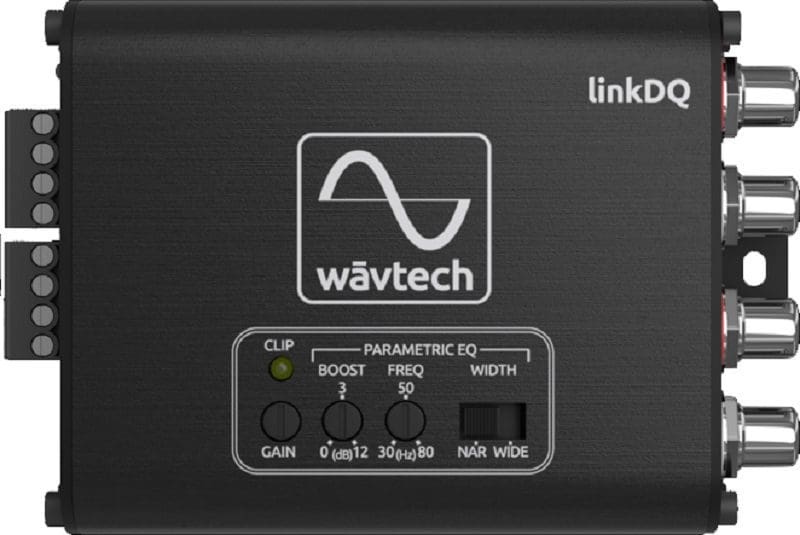
All Wavtech line output converters like this Link DQ have 180-ohm resistors on the inputs. If your application needs require a lower impedance, their linkLD modules can be added to present a 36-ohm load to the factory amplifier.
Load Resistors
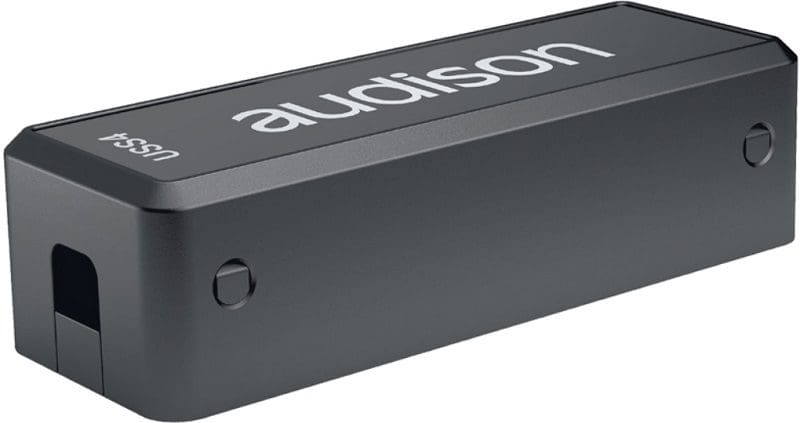
The Universal Speakers Simulator (USS4) from Audison presents a low impedance to a factory amplifier so that it will function properly. The USS4 can also generate a remote turn-on output signal to activate an aftermarket amplifier.
Load Resistors
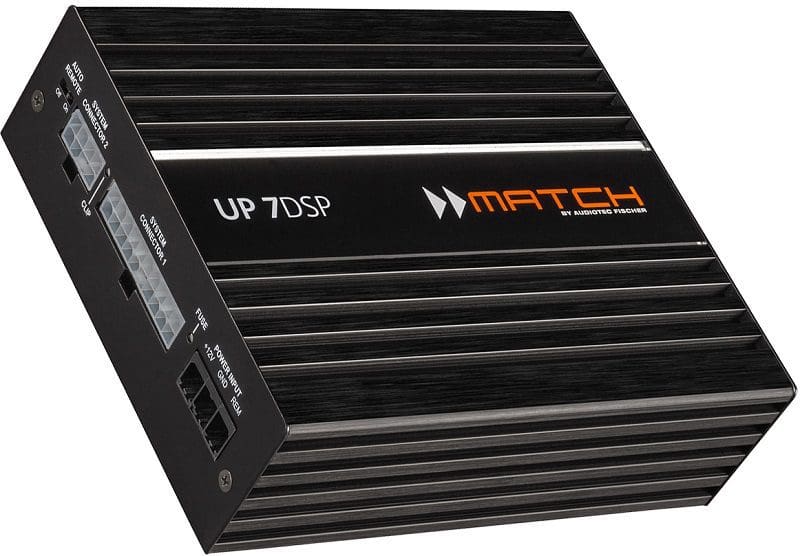
Match amplifiers include a high-level input circuit called ADEP.3 that’s designed to prevent the no-output condition common to factory-installed amplifiers when they don’t see speakers connected.

Upgrade Your Car Stereo Today for Better Sound!

If you can’t turn the volume on your factory-installed car stereo system up without the system distorting, drop by a local car stereo retailer and ask about upgrading your audio system with new speakers and a more powerful amplifier. If they mention that the upgrade will require load-resistors to prevent noise or hiss, now you know why.

This article is written and produced by the team at www.BestCarAudio.com. Reproduction or use of any kind is prohibited without the express written permission of 1sixty8 media.


Share this:

  • Share on Facebook (Opens in new window) Facebook
  • Share on X (Opens in new window) X
  • Share on Pinterest (Opens in new window) Pinterest
  • Email a link to a friend (Opens in new window) Email

Filed Under: ARTICLES, Car Audio, RESOURCE LIBRARY

About BestCarAudio.com

BestCarAudio.com is a showcase for the very best mobile electronics retailers in the world and a place to educate and inform interested consumers about existing and emerging technologies.

Leave a Reply Cancel reply

Your email address will not be published. Required fields are marked *

This site uses Akismet to reduce spam. Learn how your comment data is processed.

Search our Articles and Installs

Recent Customer Review

Request a Quote
Car Audio

Car Audio

Precision Audio & Tint in Bainbridge and Thomasville are truck and car audio upgrade specialists. Whether you are interested in adding Apple … Read More »

Tags

2015 2016 2017 2018 2019 2020 2021 2022 Amplifiers Android Auto Apple CarPlay Bed Covers Camlocker Chevrolet F-150 Ford Fuel Fuel Wheels GMC Grille Guards Hunter Road Force Jeep JL Audio Kenwood Leveling Kits Llumar Nitto Pioneer Radios RAM Ranch Hand ReadyLift Rockford Fosgate Rough Country Speakers Step Bars Subwoofers Toolboxes Toyota TrailFX Undercover WeatherTech Westin Window Tint Wrangler
A man sitting in a vehicle looking at a graph on a laptop

What Is Crossover Slope in a Car Audio System?

 By BestCarAudio.com Leave a Comment

Two identical vehicles pull up at a red light, both playing the same song at the same volume. One sounds crystal clear … [Read More...]

A small engine

Voltage vs. Current: What Actually Powers Your Car Audio System

 By BestCarAudio.com Leave a Comment

An audio enthusiast installs a powerful 1,000-watt amplifier in their vehicle, connects it to the factory wiring, and … [Read More...]

A man choosing an amplifier from a wall of car audio equipment

Always Buy Your Car Audio Equipment from the Same Shop That Installs It

 By BestCarAudio.com Leave a Comment

A 2-ohm stable amplifier paired with 1-ohm subwoofers. A head unit with 2-volt preamp outputs feeding an amplifier … [Read More...]

Ohms-Law and battery voltage

Understanding Ohm’s Law: Why It’s Critical for Car Audio Performance

 By BestCarAudio.com Leave a Comment

A customer walks into a car audio shop excited about their new 1,000-watt amplifier, only to discover weeks later that … [Read More...]

A man sitting in a car holding a device to take sound readings on

OFC vs CCA Wire: Which to Buy and Which to Avoid

 By BestCarAudio.com Leave a Comment

  A common scenario unfolds when a car audio enthusiast invests $2,000 in a high-end amplifier and subwoofer … [Read More...]

Bainbridge Location


Get Directions to Precision Audio's Bainbridge Location
Address:
909 Dothan Road, Bainbridge, GA 39817
Phone: 229-246-2111
Email: salesstaff@precisionga.com

Opening Hours:
Monday : 8:30 am – 5:30 pm
Tuesday : 8:30 am – 5:30 pm Open Now
Wednesday : 8:30 am – 5:30 pm
Thursday : 8:30 am – 5:30 pm
Friday : 8:30 am – 5:30 pm
Saturday : Closed
Sunday : Closed

Thomasville Location


Get Directions to Precision Audio's Thomasville Location
Address:
12588 US Highway 319 N., Thomasville, GA 31757
Phone: 229-233-5001
Email: thomasville@precisionga.com

Opening Hours:
Monday : 8:30 am – 5:30 pm
Tuesday : 8:30 am – 5:30 pm Open Now
Wednesday : 8:30 am – 5:30 pm
Thursday : 8:30 am – 5:30 pm
Friday : 8:30 am – 5:30 pm
Saturday : Closed
Sunday : Closed

MESA retailer

Copyright © 2026 Precision Audio & Tint · Privacy Policy · Website by 1sixty8 media, inc. · Log in